

Building a Personal Blackjack Practice Routine Using Affordable At-Home Setups
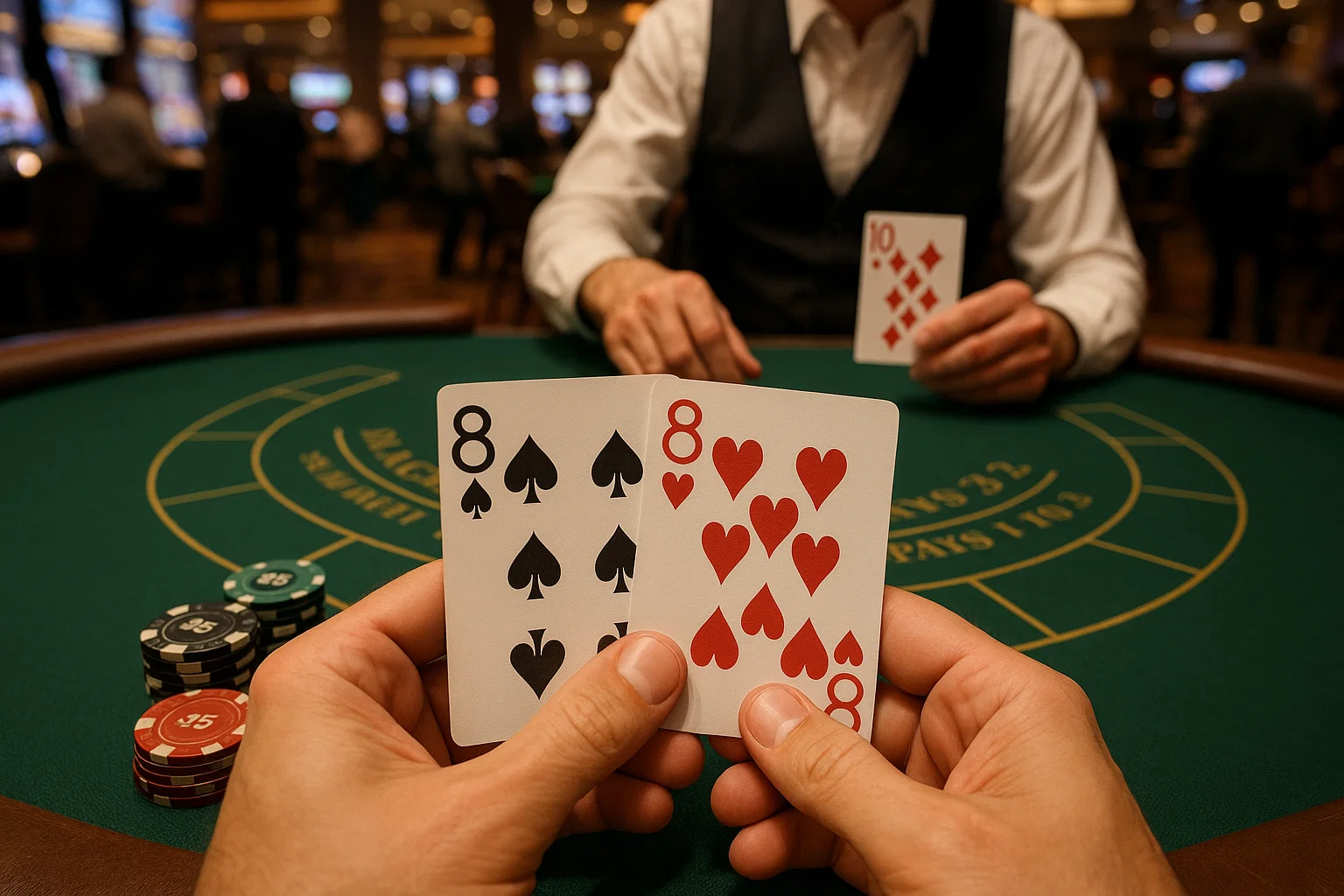
You know that feeling at the table? The dealer flips their hole card, and for a split second, you wonder if you made the right play. That hesitation is expensive. But what if you could iron out those decisions in your living room, without burning through your bankroll? Honestly, you can.
Building a disciplined blackjack practice routine at home isn’t just for card counters in movies. It’s for anyone who wants to play smarter. And the best part? You don’t need a fancy casino-grade setup. Let’s dive into how to create an effective, affordable practice space that turns uncertainty into instinct.
Why a Home Practice Setup is a Game-Changer
Think of it like free-throw practice for basketball. The game happens with defenders in your face, but the muscle memory is built alone, on the court, repeating the motion. Blackjack is the same. The pressure of the casino—the stares, the chips, the fast dealer—that’s the defense. Your at-home blackjack practice is where you build the fundamental muscle memory of basic strategy and decision speed.
An affordable home setup solves a major pain point: cost. Practicing at a real table means paying for your mistakes. At home, mistakes are free lessons. It also allows for focused, repetitive work on your weak spots, whether that’s soft 17s or knowing when to split 8s against a 10. You get to make the errors that make you better, in private.
Your Affordable At-Home Toolkit
Here’s the deal—you can start with almost nothing and scale up. Here’s a breakdown of what you actually need.
The Absolute Essentials (The $20 Setup)
If your budget is tight, start here. This is the bare-bones, effective core.
- Decks of Cards: Grab two or three standard decks from a discount store. Using multiple decks mimics the more common shoe games you’ll find today.
- A Basic Strategy Chart: This is your bible. Print one out—laminated if you can—for your specific game type (e.g., 6-deck, dealer stands on soft 17).
- A Flat Surface: Your kitchen table works perfectly.
- Your Brain as Dealer: You’ll deal for yourself. It feels clunky at first, but it forces you to see both sides of the table.
Leveling Up Your Practice (The $50-$100 Setup)
To add realism and reduce the mental load of dealing, a small investment goes a long way.
- A Casino-Quality Deck: A plastic-coated “Bee” or “Kem” deck handles like a dream and lasts forever. It changes the feel entirely.
- A Dealer Shoe and Discard Tray: This is a huge upgrade for practicing multi-deck blackjack games. It automates the dealing process, letting you focus on player decisions. Affordable sets are easy to find online.
- Practice Chips: A 100-200 piece set of weighted chips. Using physical chips—even fake ones—builds the habit of tracking your bet sizing and mental bankroll.
- A Stand-Alone Blackjack App: Use a simple app on a tablet just to act as the dealer. You play the physical cards in front of you, but the app dictates the dealer’s hand. It’s a great hybrid method.
| Tool | Purpose | Approx. Cost |
| Standard Playing Cards | Core practice, learning basics | $5-$10 |
| Dealer Shoe & Tray Set | Simulating real casino flow | $25-$40 |
| Weighted Practice Chips | Bankroll management habit | $15-$30 |
| Laminated Strategy Chart | Quick-reference guide | $5 (lamination) |
Crafting Your Personal Practice Routine
Okay, you’ve got the gear. Now, how do you practice without getting bored or sloppy? Structure is key. Think of your routine like a workout: warm-up, skill drills, scrimmage.
Phase 1: The Daily Drills (10-15 minutes)
This is about speed and accuracy. Don’t think, just react.
- Flash Card Drills: Before you even touch cards, run through 20 basic strategy scenarios in your head. “13 vs. 2? Hit.” “A,7 vs. 9? Stand.” Do it until it’s boring.
- Deal 50 Hands: Set up your shoe. Deal yourself two cards and a dealer up-card. Make your decision instantly. Check your strategy chart after. The goal is to close the gap between your gut and the chart.
Phase 2: The Focused Session (20-30 minutes, 2-3 times a week)
Here’s where you tackle specific weaknesses. Pick one theme per session.
- Soft Hand Day: Only practice hands where you have an Ace. This is where most beginners—and even intermediates—falter.
- Splitting & Doubling Down: Create a mini-deck stack that forces splitting and doubling scenarios. Repetition here builds confidence for those high-pressure, high-reward plays.
- Counting Drills (If you’re going there): If you’re venturing into card counting, just run through a deck, adding and subtracting. Then, try estimating the running count while also playing basic strategy. It’s a mental marathon—start slow.
Phase 3: The Realistic Simulation (Once a week)
Simulate a real session. Set a “bankroll” of 50 chips. Use proper table minimums and maximums. Play at a steady, real-world pace for 30 minutes. No do-overs. This connects your drilled skills to the flow and variance of an actual game. It’s where you learn to handle winning streaks and losing streaks without panic.
Common Pitfalls to Avoid in Your Home Practice
It’s easy to develop bad habits when no one’s watching. Be your own toughest critic.
- Practicing Without a Goal: Don’t just mindlessly deal hands. Every session should have a focus, like “master hard 12 vs. 4, 5, 6.”
- Ignoring the Dealer’s Card: This sounds silly, but in solo practice, you can start just looking at your own hand. Force yourself to verbalize the dealer’s up-card first. “Dealer has a 6. I have 16. I should… stand.”
- Getting Sloppy with Speed: Speed comes from accuracy, not the other way around. Prioritize correct decisions first. The speed will follow naturally, you know?
The Mental Edge: Beyond the Cards
Your at-home setup isn’t just for memorizing charts. It’s a lab for your mindset. Practice walking away from your “table” after a simulated losing streak. Practice sticking to your bet sizing when you’re “up.” The table is a mirror—it shows you your impulsive tendencies in a safe space where they can’t cost you a dime.
In fact, the real win of a personal blackjack practice routine isn’t just a higher win rate. It’s the quiet confidence that comes from preparation. When you sit down at a real table, the lights and sounds fade into the background. Your decisions feel less like guesses and more like reflexes you’ve honed in your own space. And that transformation? Well, that starts on your kitchen table.


